
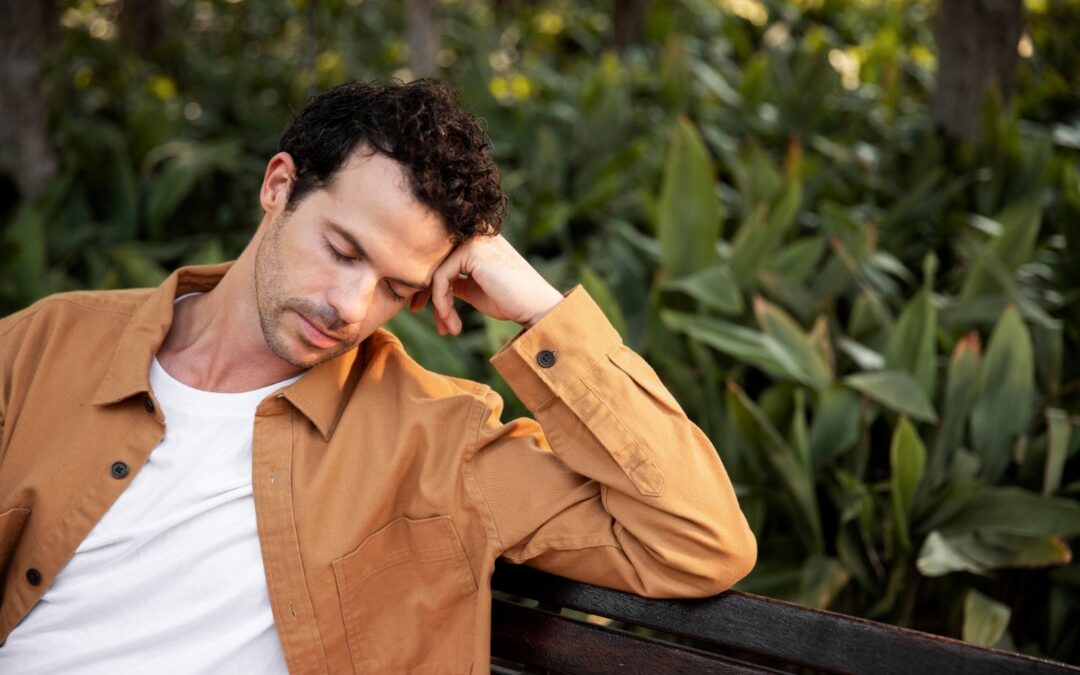
For many people, summer is supposed to be the happiest time of the year. The days are longer, the weather is warmer, and social calendars fill up quickly. So, when you find yourself feeling anxious, exhausted, irritable, or emotionally drained during the summer months, it can be confusing and even isolating.
What many people don’t realize is that seasonal depression isn’t just a winter phenomenon. If you’ve ever wondered, “can you have seasonal depression in the summer?”—the answer is yes. While it’s less common than winter depression, summer depression, sometimes called summer SAD, is a very real experience.
What Is Summer Depression?
Seasonal Affective Disorder (SAD) is a type of depression that follows a seasonal pattern. While most people associate it with the darker months of fall and winter, some individuals experience symptoms that begin in late spring or early summer and improve when the season changes.
This form of summer SAD is less common than winter SAD, but it’s equally valid. In fact, many people struggle for years without realizing their mood changes are connected to the season. Because summer is often associated with vacations, outdoor activities, and fun, feeling depressed during this time can leave people wondering what’s wrong with them.
The truth is that nothing is wrong with you. Your brain and body may simply respond differently to seasonal changes.
What Causes Summer Depression?
There’s no single cause of summer depression, but several factors may contribute:
- Heat and humidity: High temperatures can be physically draining and make it harder to regulate emotions.
- Disrupted sleep: Longer daylight hours can interfere with your natural sleep-wake cycle, leading to poor sleep and fatigue.
- Routine changes: School breaks, vacations, travel, and shifting schedules can create stress and disrupt healthy habits.
- Social pressure and FOMO: Summer often comes with expectations to be social, active, and happy. Feeling like you’re not measuring up can increase emotional distress.
- Body image concerns: Warmer weather and seasonal clothing can trigger self-consciousness or negative thoughts about appearance.
For some people, these factors build gradually until they begin affecting overall mental health.
What Does Summer Depression Feel Like?
The symptoms of summer SAD can look different from the symptoms people typically associate with winter depression.
Some common signs include:
- Anxiety or restlessness
- Irritability or mood swings
- Low motivation
- Trouble sleeping or insomnia
- Fatigue and low energy
- Social withdrawal
- Difficulty concentrating
- Reduced appetite or unintentional weight loss
This difference is one reason people often don’t recognize what’s happening. When people ask, “when do people feel seasonal affective disorder?”—they usually think about the winter months. But seasonal mood changes can occur any time the brain struggles to adapt to environmental shifts.
How to Support Your Mental Health This Summer
If you’re looking for ways to start managing depression in summer, small, consistent changes can make a meaningful difference.
Protect Your Sleep
Sleep disruption is one of the biggest contributors to summer mood changes. Try to keep a consistent bedtime, limit screens before bed, and make your sleeping environment as cool and dark as possible.
Stay Cool and Hydrated
Research continues to explore the relationship between heat and mood disorders, but many people notice their symptoms worsen during periods of extreme heat. Staying hydrated, limiting time outdoors during peak temperatures, and finding ways to cool down can help support emotional well-being.
Maintain Some Structure
Even if summer schedules are more flexible, having regular routines around meals, movement, sleep, and social connection can help create stability.
Reevaluate Your Treatment Plan
If symptoms are becoming difficult to manage, it may be time for a mental health check-in. Therapy, medication adjustments, and advanced treatment options may help. For individuals living with depression that haven’t responded well to traditional approaches, treatments such as ketamine therapy may offer another path forward. Learn more about our ketamine treatment options for depression.
You Don’t Have to Push Through It Alone
If summer has always felt harder than it seems to be for everyone else, you’re not imagining it. Summer depression is real, and support is available.
Whether you’ve noticed a seasonal pattern for years or this article helped something finally click, reaching out is a strong first step. You don’t have to white-knuckle your way through the season.
If you’re struggling with symptoms of depression, contact our team today to learn about treatment options and schedule a consultation.
Contact Evansville Ketamine Treatment Center
Evansville Ketamine & Vitamin Center wants to see your life in bloom. Learn how our services can help you become open, energetic, and at peace. Give us a call or fill out the form below to book your appointment.

Recent Comments